
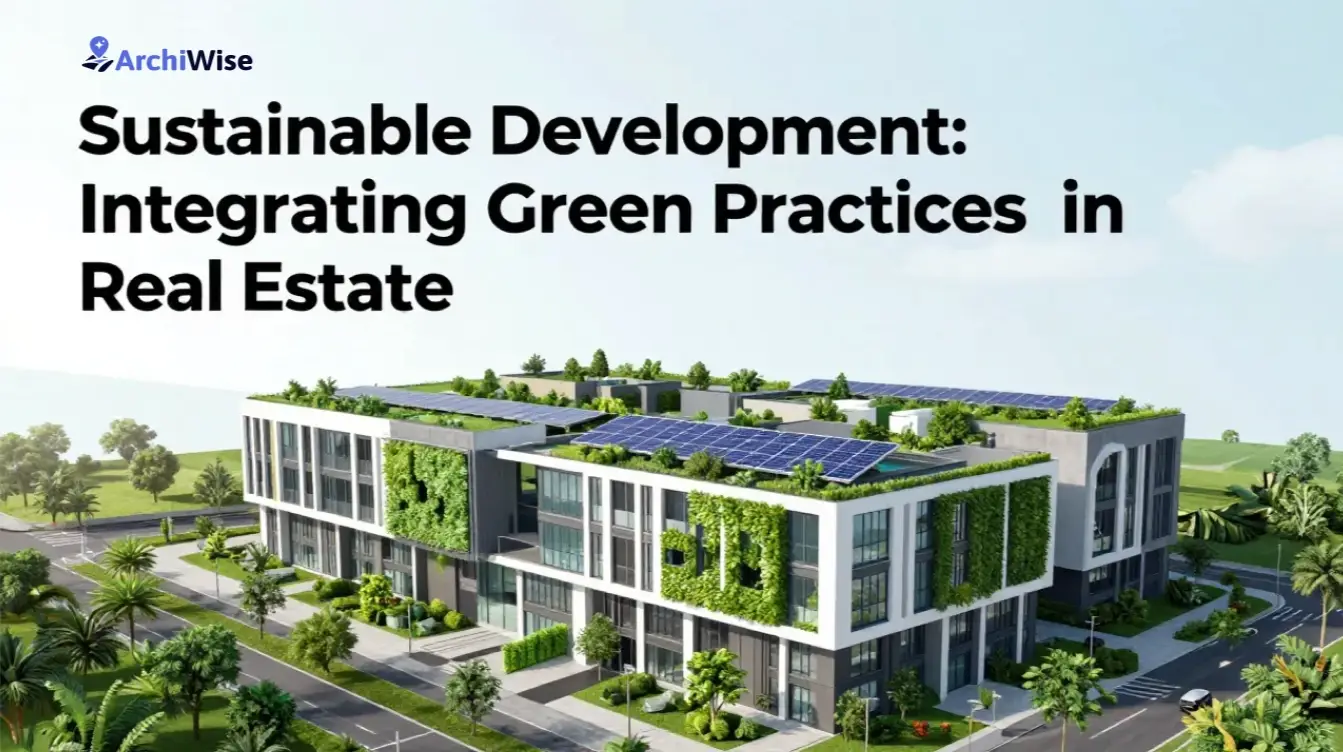

Sustainable development is no longer just a trend.
It is a necessity in the real estate industry.
As awareness of environmental issues grows, developers are increasingly prioritizing green practices in their projects. This article will explore how sustainable development can be effectively integrated into real estate, highlighting its importance and relevance in today’s world.

Understanding Sustainability in Real Estate
Sustainability in real estate refers to the practice of creating buildings and developments that meet present needs without compromising the ability of future generations to meet their own needs. This encompasses environmental, economic, and social considerations. Sustainable real estate development seeks to balance these aspects, ensuring that projects not only offer immediate benefits but also contribute positively to the community and environment in the long run.
The Three Pillars of Sustainability
- Environmental Sustainability: This involves minimizing the ecological impact of real estate developments. Strategies include reducing carbon footprints, conserving natural resources, and protecting biodiversity.
- Economic Sustainability: This focuses on creating financial viability for projects. Sustainable developments often lead to lower operating costs and increased property values over time.
- Social Sustainability: This aspect emphasizes community engagement and the creation of spaces that promote social equity and quality of life. It involves considering the needs of local residents and ensuring developments are inclusive.
Energy Efficiency
One of the most significant aspects of sustainable development is energy efficiency. Implementing energy-efficient systems, such as:
- LED Lighting: These bulbs consume up to 75% less energy than traditional incandescent bulbs, significantly reducing electricity bills.
- Smart HVAC Systems: Automated systems can adjust heating and cooling based on occupancy, optimizing energy use.
- High-Performance Insulation: Proper insulation reduces the energy needed to heat or cool a building, contributing to lower energy consumption.
Additionally, incorporating renewable energy sources, such as solar panels and wind turbines, can further enhance a building’s sustainability. Buildings equipped with solar panels can generate their own electricity, reducing reliance on fossil fuels.
Sustainable Materials
The choice of materials plays a crucial role in sustainable development. Using locally sourced, recycled, or environmentally friendly materials can minimize the environmental footprint of a construction project. Developers should also consider materials that contribute to indoor air quality, such as low-VOC paints and finishes.
Examples of Sustainable Materials
- Bamboo: A rapidly renewable resource, bamboo is an excellent alternative to hardwood flooring.
- Recycled Steel: Using recycled steel in construction can significantly reduce energy consumption compared to using new steel.
- Reclaimed Wood: Sourcing wood from deconstructed buildings reduces waste and minimizes the demand for new lumber.
Water Conservation
Water scarcity is a growing concern in many regions, making water conservation practices essential in real estate development. Implementing rainwater harvesting systems, efficient irrigation techniques, and low-flow fixtures can help reduce water usage and promote sustainability.
Innovative Water Management Solutions
Integrating smart irrigation systems that adjust watering schedules based on weather forecasts can lead to significant water savings. Additionally, greywater recycling systems can reuse water from sinks and showers for irrigation purposes, further conserving water resources.
Community Engagement and Social Responsibility
Sustainable development goes beyond environmental considerations; it also involves the social aspect of real estate. Engaging with local communities and stakeholders during the planning process ensures that developments meet the needs of the community and promote social equity. This approach fosters a sense of ownership and responsibility among residents.
Strategies for Effective Community Engagement
- Public Workshops: Holding workshops to gather input from community members can help shape project designs to better meet local needs.
- Collaborative Planning: Involving local organizations and stakeholders in the planning process ensures diverse perspectives are considered.
ArchiWise and Sustainable Development
ArchiWise plays a pivotal role in supporting sustainable practices in real estate by offering innovative resources and tools. They advocate for the integration of smart technologies that monitor energy usage in real-time, enabling property managers to identify inefficiencies and optimize consumption. By emphasizing the selection of sustainable materials and providing access to innovative water management solutions, ArchiWise helps developers make informed decisions that benefit both the environment and building occupants.
Conclusion
Integrating sustainable practices in real estate development is vital for addressing environmental challenges and promoting social responsibility. As consumers become increasingly aware of sustainability issues, developers who prioritize green practices will not only enhance their brand reputation but also contribute to a healthier planet. Embracing sustainable development is not just a choice; it is an imperative for the future of real estate.
By leveraging innovative solutions, developers can navigate the complexities of sustainable real estate more effectively. Together, we can build a future that respects our planet and supports thriving communities.